Is it worth repainting your home before Selling?

Are you planning to sell your home? If so, then you might be asking yourself if there are practical and cost-effective ways to boost its resale value. Read this guide to learn how refreshing your home’s paint can increase your home’s value.

Selling your old home is something does not happen straight away. Currently, on the market for 30 days before it is snapped up by a buyer. But this only applies to homes that are in the best locations and are in a good condition. Homes that are not in good condition, on the other hand, languish on the listings longer.

One of the first things prospective buyers consider is the home’s appearance. Indeed, first impressions last. And one of the first things they notice is the condition of your home’s paint, as well as its colour.

Check out why a simple repainting can increase your home value when it’s time to sell.

1. A fresh coat of paint can impress prospective buyers at first sight
Protect your painted walls

Put yourself in a prospective buyer’s shoes and imagine this. You pull up to a property for a showing or an open house, then you step out of the car to see the house in its full glory.

But then… Oh, no. You notice that the house’s exterior paint is chipped or faded. You enter the yard and notice that sagging has occurred in some areas. And that’s just the exterior. You enter the house and you immediately notice that the interior paint is dirty and has mildew.

Yikes! Chances are high that you’ll hightail it out of the house faster than the real estate agent can say “Welcome!”

The importance of having your home repainted even before you have it listed on the market, gives off the impression that you care for your home enough that you would give it some cosmetic improvements before selling it.

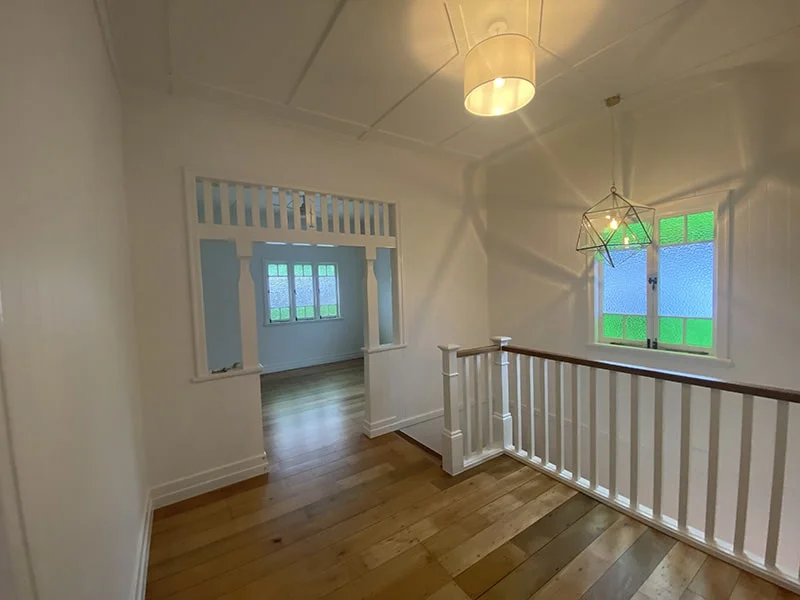
2. Paint protects your walls
cost effective house painting

Queensland climate is notoriously harsh on house walls and their paint. The tropical sun can cause paint to fade prematurely, as well as blister and peel after prolonged exposure. 

Combine high temperatures with high humidity and frequent rains, and you have the perfect blend for the formation of mould and mildew.

Proper surface preparation and a fresh coat of paint not only make your property more inviting but can also protect your walls from mould and mildew. And if you’re selling a Queenslander, a coat of paint can prolong the lifespan of your timber cladding by protecting them from termites and other insects. 

3. Paint is a cost-effective way to make a home more inviting

You don’t need to renovate your entire home just to improve it. Having it repainted is an affordable way to improve its ambience and make it more attractive to any buyer who visits your home.

In Toowoomba, we specialise in providing both services!

Not only can we paint your home ready for market but we can then list it Immediately! “Your housing needs deserve the care of a specialist”


Tips For Choosing Exterior Paint Colours

Choosing the right exterior paint colours for your home can be tough but at Paintway, we aim to make the process less challenging. We have been painting Toowoomba homes for over 30 years, so we’ve seen what works and what doesn’t when it comes to colour. As a local painting business, we’re aware of the huge difference the right exterior paint colours can make to your home’s street appeal. We also know the worry (and sometimes family disagreements!) choosing colours can cause.

So is there a way to get your exterior paint colours right? The answer is YES. We have assisted many customers to achieve a result they love and add value to their homes. We offer free colour consultations with full repaints, but if you’d like some insight now, here are 5 tips to help you get started on exterior paint colours for your home.

1. Identify the style of the neighbourhood

Use the style of surrounding homes in your neighbourhood as a starting point to choose the right exterior paint colours. If traditional Queenslanders dominate the area, it’s safer to go for a more traditional scheme. If the neighbourhood contains more modern homes, bolder colours or accents may work well. Choose colours that complement (not clash with) your neighbours’ homes but are not exactly the same so you subtly set your house apart from theirs.

Exterior paint colours in Brisbane neighbourhood

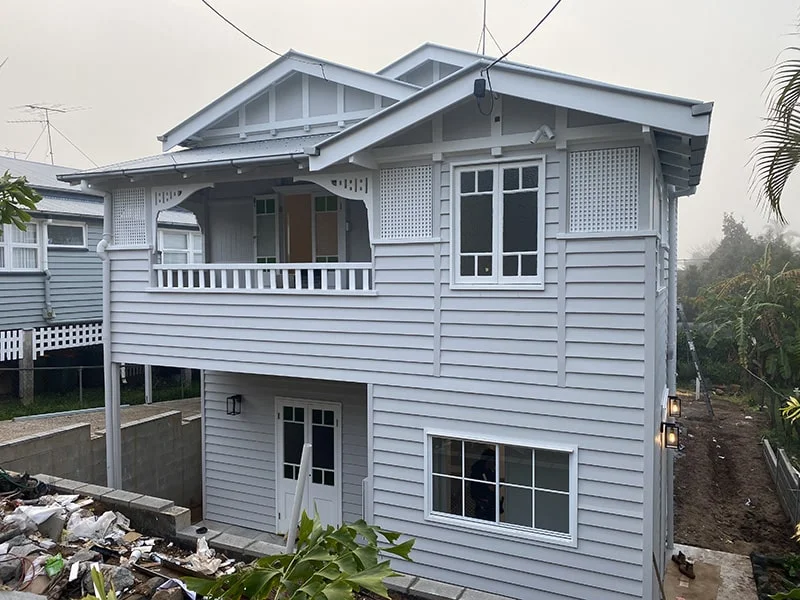
Neutrals and grey-toned pastels suit traditional neighbourhoods

2. Trust nature’s colour combinations

The surrounding landscape can give clues about what paint colours will look good on your home. Is it predominantly cool green with sandy neutrals or more warm earthy tones? Are you surrounded by vibrant tropical foliage or in a more urban area? Taking your queue from nature will generally lead you in the right direction for choosing the best exterior paint colours.

Exterior paint colours - earthy

Natural and earth-toned colours look great against native plants and foliage

3. Look to your home’s features for guidance

The existing colours in or outside of a home, such as the foundation or the roof should influence your choice of exterior paint colours. Don’t go for a trendy colour that doesn’t complement what’s already there. For example, if your home has a red roof, choose warm neutrals (not cool grey-toned ones) to complement it. If you have a Queenslander with beautiful decorative features, highlight them with a contrasting darker or lighter colour.

Exterior paint colours - tip - match your roof

Creamy whites with warm dark accent colours complement and balance this home’s red roof

4. Offset dark with light exterior paint colours

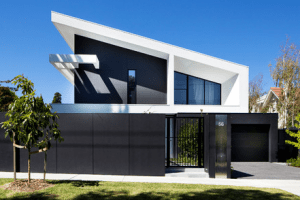
Dark colours make a bold modern statement but too much exterior dark paint can make a home look small and gloomy. On traditional homes especially, make sure to offset dark hues with whites on trims, verandahs and other accents. Light colours typically make a house look larger. However, if you are you are on or near a busy main road and have pollution to deal with, you’ll need to consider practicalities – white will not be the best choice!

Exterior paint colours tip - black charcoal with white

White horizontal and diagonal accents add interest and make this home look bigger

5. Observe exterior paint colours in different lights

Light can play a big role in choosing the right exterior paint colours. How will the colours you choose look in bright sun versus a cloudy day? You should also consider which direction your home faces. If it’s west facing, colours will look brighter and more intense. Bright white would be too glary, but a light colour generally will reflect heat and last longer than dark, heat-absorbing colours.

Exterior paint colours tip - western aspect

A light neutral will work better than all-white if your home faces west and gets a lot of direct sun

Steps To Choose Exterior Paint Colours For Your Home

When you engage us, our Step-by-Step approach to colour decision-making will ensure you get the result you envision.

  • Step 1 Take advantage of our practical guidance when one of our master painters comes to your house to quote. Advice at this early stage can help you understand which colours will handle any heat, sun, or pollution that your house may be subject to.
  • Step 2 Once you engage us for a full interior or exterior repaint, we’ll arrange a free professional colour consultation for you. There’s no substitute for an onsite visit by a qualified colour professional to advise on exterior paint colours for your home in person.
  • Step 3 Finally, make sure to buy sample pots and apply samples of paint on different parts of your home. This is a crucial step that should not be skipped. You need to know how a colour will look over different base materials (eg weatherboards, woodwork or render) and in different lights to confirm your choice. We’re happy to assist with this if needed and guide you through final decisions on shades and finishes.

We’ve found this process delivers beautiful results every time. So if you’d like to begin the process of choosing your perfect colour scheme, contact Paintway Toowoomba Today!

Choosing the Right Colours For Your Home

Colour reflects who we are and who we aspire to be. It’s expressive, fun, creative, complimentary and always conversational. At Paintway we love it! That’s why we want to provide you with the best tools to find your perfect paint colour.A tin of paint has a lot of power. You can reimagine a room in countless ways with the colour it contains, for a relatively small investment. “It’s all about the cost-to-impact ratio,” Paint can add personality, create illusions and disguise flaws. And it’s easy to change if you don’t like it.”

Browse the Internet, read magazines, explore the huge range of colours on any paint suppliers Colour chart, find the latest colour trends, popular colour hues and inspiration – Get inspired – There is no right or wrong colour, It is such a personal decision and our tastes vary widely. The current mood in design is all about slowing down and bringing back the idea of handcrafted, imperfect finishes. At the same time, softer shades and finishes are coming through. “Colours are more relaxed, with the aim of making spaces feel calm, warm and lived in. “Designers are using varied finishes to add layers and depth inside and out.

Once you have chosen a “Colour” then falls the hundreds of “shades” in that colour. Get some swatches – test with some pots of paint to make sure, once again, there are no rules! That is the playful thing about choosing colour, it does not have to be serious!

TRENDING INTERIOR COLOURS

At Paintway if our customers are in Doubt with colour we often provide free pot samples and show you how it is going to look rather than just using a swatch which can often be a slight bit different when the paint goes on!😀

FACTORS THAT IMPACT THE LIFESPAN OF YOUR HOME PAINT

Now that your home in the Toowoomba is looking fabulous with the new paint, you might be happy. Well, you should be. But take note of the fact that the paint will last a few years or more after which you will need to repaint the exterior and interior surface. But you might be wondering about the things that affect the longevity of home paints. To that question, we will be providing you with the answers today. You will need to follow the points since we have discussed all the factors that impact the life of a residential paint.

  • Weather Effects

We always recommend weather-resistant paint coats because nature itself plays an integral role in extending or lowering the longevity of the home paint. Too much sunlight is bad for the exterior paint and so is too much rain or cold. So, your location also matters since the weather varies with the topography.

  • Primer Usage

The second thing that affects the longevity of a residential paint is the use of priming material before the paint was applied.

Since primer enhances the adhesion of paint, the painters need to use high-quality material that will help the paint bond with the surface. Moreover, it also protects the paint against weather effects. However, a low-quality primer can substantially reduce the lifespan of your home paint.

  • Prepared Surface

Paintway will always prepare the surface before applying the paint.

Surface preparation includes cleaning the exterior walls to remove stains, mould, etc., and fixing the inaccuracies on the surface such as cracks, holes, etc. So, if the surface is well-prepared, you can rest assured that the paint will last a long time. But the opposite will occur if it is not prepared thoroughly by the painters.

  • Paint Brand

Indeed, the brand of paint also matters when it comes to longevity. You cannot expect the paint to last for years if the paint brand is not a well-known one applying premium paint, you can expect the paint to last for years.

  • Applied Coats

Depending on the surface of your home, the painters might apply several coats of paint. This is also a factor when it comes to longevity.

Well, too many coats do not mean that the paint will last longer. However, a balanced application means that your home will look good for the years to come.

  • Condition of Your Home

This is another factor that directly affects the longevity of the paint.

If your home is old, even if the paint is new, it will not last long since water seepage from the home interior might dampen the exterior surface and weaken the applied paint. On the other hand, if your home is new and free of leaks and cracks, you can expect the new paint to last for a long time.

Christmas 2023 🌲

Have you completed your Christmas shopping? Paintway have been “wrapping up” (Pardon the Pun? hehe) all of our Christmas gift shopping over the past week, but I still have a few gifts left on my list. We have been so busy this month, it will feel great to have our shopping and gifts all set to go so we are ready to relax and enjoy time with family and friends.

Paintway would like to wish you all a very Merry Christmas 🎄 and would like to take the opportunity to thank you all so much for your business in 2023.

Thank you again for your Support in 2023!

Merry Christmas Toowoomba 🤶🏻 – James + Melissa

Housepainters Toowoomba

Call Paintway Today 1800 937 724

House painting is a process that involves preparing the surfaces of a house, applying paint, and then allowing it to dry. It’s a great way to improve the appearance of your home, protect it from the elements, and increase its value. Here are some key points to consider:

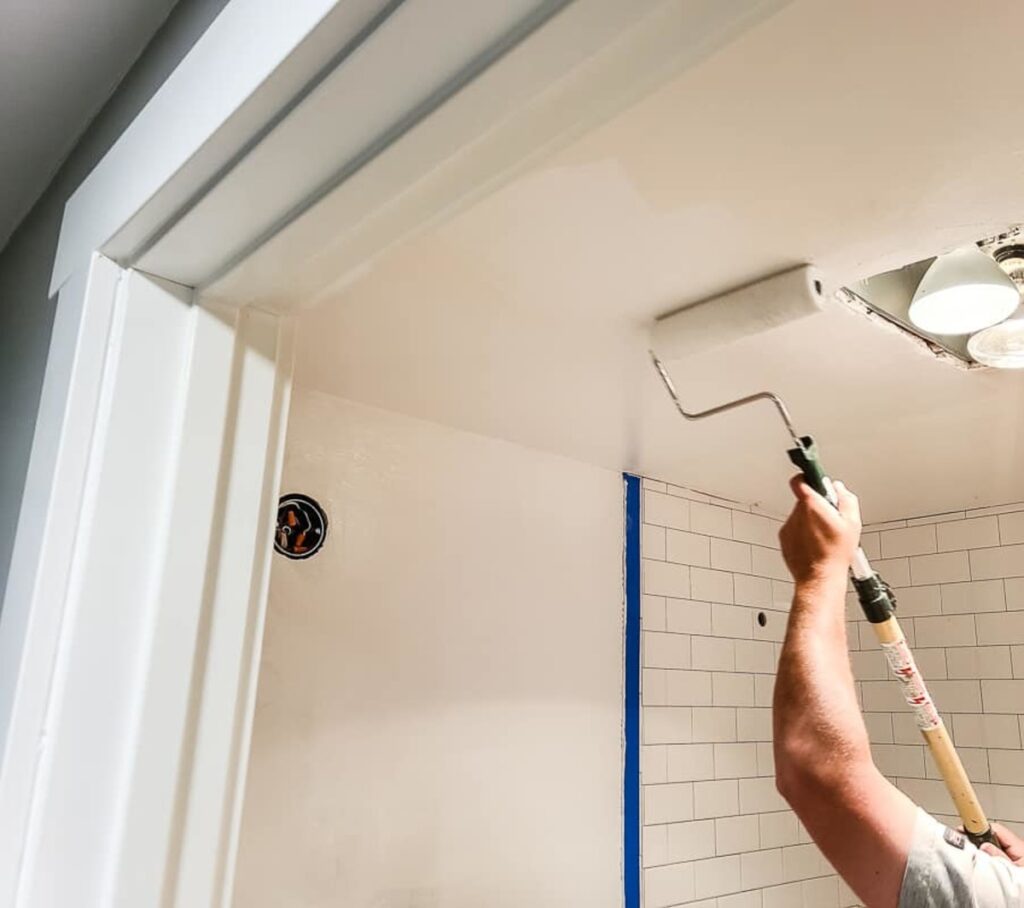
  1. Preparation: This is a crucial step that involves cleaning the surfaces, scraping off old paint, and repairing any damages. It’s important to ensure that the surfaces are smooth and free of dirt, grease, and loose paint for the new paint to adhere properly.
  2. Choosing the Right Paint: The type of paint you choose depends on the surface you’re painting and the look you want to achieve. There are different types of paint for different surfaces, and they come in various finishes like matte, satin, semi-gloss, and gloss.
  3. Painting Techniques: There are various techniques for applying paint, such as rolling, brushing, and spraying. The technique you choose can affect the finish and the time it takes to complete the project.
  4. Safety: Painting can involve working at heights and using chemicals, so it’s important to take safety precautions. This includes using a sturdy ladder, wearing protective clothing, and ensuring good ventilation.
  5. Clean Up: After the painting is done, it’s important to clean up properly. This includes disposing of used paint cans and cleaning brushes and rollers.

There are alot of “non qualified Painters” Ensure your painter is Licensed (they must be to complete any work over $3300) Fully Insured and Hold the correct Qualifications.

Why Does Paint Blister on Weatherboard Homes?

So you’ve just finished repainting the old timber house, it looks great; but only a few weeks later blisters occur on the sides that are exposed to the most sunshine, and the blisters cause the new paint film to peel off, sometimes back to bare timber. Sounds familiar? Why does this happen, and how can we prevent it?

Blistering is a common problem that can occur when re-painting timber weatherboards. Many disputes between painters and their clients arise because the new coats of paint form blisters soon after application. This is when the surface of the paint develops bubbles or blisters, which can then burst and leave behind unsightly patches of peeled paint. Blistering can occur for a variety of reasons, including poor preparation, inadequate priming, and incompatible paint types, but the most common cause of blistering is moisture.

Timber weatherboards are particularly susceptible to moisture-related problems because they are constantly exposed to the elements. Rain and humidity can all contribute to the moisture content of the timber, which can cause the wood to swell and contract. When moisture gets trapped beneath a layer of paint, it can create pressure that causes the paint to lift and bubble. The current trend to paint timber houses using dark colours exacerbates this problem, because the darker colours absorb heat and create air gas bubbles that need to escape the substrate.

Poor preparation can also contribute to blistering. If the surface of the timber is not properly cleaned and prepared before painting, any dirt, grease, or other contaminants can interfere with the adhesion of the paint. This can cause the paint to lift and bubble, especially if the timber is not completely dry before painting.

Inadequate priming can also cause blistering. A good quality primer helps to seal the timber and prevent moisture from penetrating the surface. If the primer is not applied properly, or if an insufficient number of coats are used, moisture can still seep through and cause blistering.

To prevent blistering, it is important to take proper care when painting timber weatherboards. This includes ensuring that the surface is clean and dry before painting, using a high-quality primer, and selecting a paint that is compatible with the timber surface. Painters should use a moisture meter to check the moisture content in the timber. If the moisture content is above 15% the existing paint may need to be stripped off to allow the timber to dry thoroughly.

When painting over old timber surfaces it also pays to do an adhesion test. A simple adhesion test is done by scoring the paint film using a sharp blade, in a cross hatch pattern. Place some tape with strong adhesion (such as duct tape) over the paint surface, press it down, and then quickly remove the tape by ripping it off. If any paint comes off and sticks to the tape the paint film has failed the adhesion test, and the entire surface may need to be stripped of paint before repainting.

If this occurs the painter should give the client the option of stripping off the paint. In most cases the building owner cannot afford to pay for the complete stripping of the paint. In this case the painter should put this in writing and inform the client that adhesion failure of the new coats of paint or blistering is possible, and no responsibility will be taken if this occurs.

In many cases it is more cost effective to treat the paint bubbles that may occur by cutting them out, sealing the bare timber, and filling the surface before recoating. This is also an acceptable outcome as long as the home owner is aware of this prior to work commencing.

In conclusion, blistering of new paint on timber weatherboards is a common problem that can be caused by a variety of factors, including moisture, incompatible paint types, poor preparation, and inadequate priming. By taking the necessary steps to ensure substrates are dry, and ensuring proper preparation, it is possible to avoid blistering and achieve a high-quality, long-lasting finish. No matter what the outcome is, is important that the painting contractor inform the client of the possible risks prior to starting the project and that the client is aware of possible outcomes for the chosen method of surface preparation.

Expecting? Picking a Colour for the Nursery

With so many colours to choose from we just love a Mint Green and Neutral soft tones for a baby's nursery. They are amazing colours when you do not know the gender of your upcoming new arrival. Keeping the furniture in similar tones these colours are a perfect match for any Baby Boy or Baby Girls Nursery. When choosing colours, its important to take your cues from the existing space. You may love deep rich colours but dark hues absorb light and can easily overwhelm a small room. Light colours, on the other hand, make a room appear bigger and brighter. Taking the room’s needs into consideration beforehand is the best way to make the most of your space.

uuihiuhiuhiuhiuh

Green is Good For You. American Psychological Association.When choosing a shade for your nursery, you can opt for light to medium greens in earthy hues like sage and moss. However, darker greens can also be implemented, particularly if they are balanced with lighter neutrals.

Do you have a problem with flaky or cracked ceilings? Read on…..

Problem Ceilings? (Peeling and Flaking Paint)

The common theme in the above reasons for problem ceilings is PREPARATION, wrong application and the ceilings history.  Due to these reasons it is hard for the painting of a ceiling to be done at time.  However, no matter how much preparation occurs if the history of the ceiling is problematic it is difficult to treat with a simple paint application.

Movement happens with all homes every 10 years or so…causing joins and cracks to also appear.

The most common problem area when it comes to painting is the ceiling. Especially in Bathrooms because of Moisture! Or where we are based here in Toowoomba in the Mountains there can be months of high moisture from being in the Clouds.

There are several problems that can occur on a ceiling to categorise it as a problem area:

Calcimine Paint

Fibrous plaster ceilings were originally being painted with calcimine paint.  Calcimine paint came in powdered form.  It was mixed with water then applied to the ceiling.  Once it dried by the water evaporating it left a coat of pigment powder on the surface of the ceiling.  Years later the ceiling would have been recoated using a flat plastic paint which resulted in the calcimine pigments and powders sucking all the binders out of the new plastic paint making them unstable.  Over the years with extra coats being applied to the surface creating extra pressure as well as gravity doing its job causes the paint to flake.

Incorrect application

In the early 80s where gyprock homes were being built to price and with little knowledge of paints the incorrect application was being used.  Painters were applying flat paints straight onto bare gyprock and therefore, the paint was not soaking in like a primer would usually do.  This application process becomes unstable over the years as well as more coats being applied over time creating more pressure on the surface and gravity doing its job the result is a problem ceiling which peels and flakes.

Moisture

One of the more common issues with problem ceilings is moisture.  There are several reasons why moisture occurs.  Moisture from storm damage can release the coating from any ceiling surface causing peeling or blistering paint.  Also wet areas in the house such as the kitchen, laundry and bathroom can create moisture. For example in a bathroom with lack of ventilation, steam damage can occur to the coating causing it to flake and peel.  Using paint with a higher sheen level may help reduce water absorption which accelerates peeling ceilings.

Style of home

Queensland style homes most commonly have VJ timber ceilings.  When flaking occurs on these types of ceilings it is usually due to new acrylic paint being applied over old enamel paint.  This occurs because acrylic paint is flexible by nature and the enamel coating is rigid.  Therefore over time due to changes in temperature  the different paint properties work against each other resulting in the top layer delaminating. To solve this issue the acrylic coating needs to be completely removed followed by using a general purpose undercoat to stabilise the surface before recoating.


Autumn has Arrived 2023

Fashion and homewares trends come and go, and so do house paint colours. Thankfully, it’s almost as easy to refresh your walls as it is your wardrobe (skinny jeans are out, by the way).
Updating your interior paint colours can overhaul your mood,  this very purpose can help us to re-energise and feel warm and cosy this Autumn.
“When we talk about design and colour, we’re talking about how it feels — not just how it looks. “When we’re at home it’s important to feel the best you can.”
“Colour is coming back into homes and Aussies should feel empowered to move away from pure white walls –

As we enter the cooler months, now is the perfect time to update your home and embrace the colours of the season. This autumn, we can expect to see a combination of warm neutrals that help to create the cocooning atmosphere we crave in our homes as the seasons change.

Wrap the room

To move away from all-white ceilings, consider running your chosen wall colour onto the ceiling to create a truly enveloping feeling. For this living room, we painted the main walls and ceiling in Beaten Track paired with the slightly earthier Stilted Stalks on the fireplace wall to make it a clear focal point

Use tonal colours: Selecting two warm earthy colours and running them from floor to ceiling, as illustrated here, wraps the room in warmth.

When planning your autumn design update, look for ways to highlight your home’s unique characteristics and embrace your natural surroundings.

Adding a deep hue can be a fast and effective way to accentuate existing architectural features, like how we have opted for the rich, warm mid-tone Brown & Neutrals on the opening that leads to the home’s main entrance.